

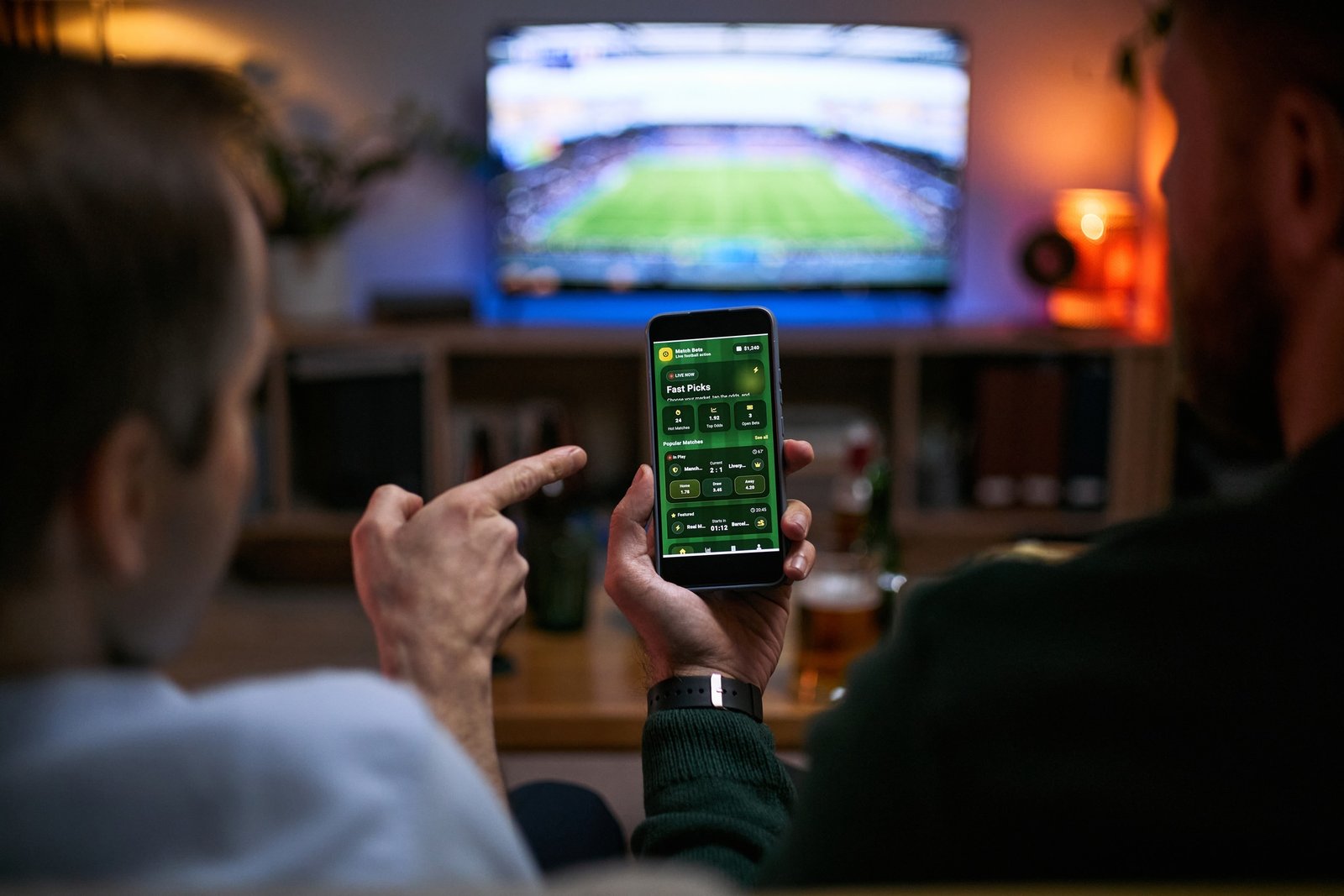
Sports betting has changed quickly. What once required a casino, sportsbook, or private betting arrangement is now available from a phone, often within seconds.
For many people, betting on a game stays occasional and recreational. But for others, especially when betting becomes frequent, secretive, emotional, or hard to stop, it can become a serious behavioral health issue.
Since the 2018 Supreme Court ruling that opened the door for wider legalization, sports betting has expanded at a remarkable pace. According to a UC San Diego study on gambling addiction after sports betting legalization, the number of states with operational sportsbooks grew from one in 2017 to 38 in 2024. Total sports wagers rose from $4.9 billion in 2017 to $121.1 billion in 2023, and 94% of those 2023 wagers were placed online.
That matters because online sports betting doesn’t just make gambling more available. It makes it easier to hide, easier to repeat, and easier to fold into daily life.
Sports betting becomes a problem when a person feels unable to stop, keeps betting despite financial or emotional harm, hides betting from others, chases losses, or needs larger or more frequent bets to feel the same excitement. These can be signs of gambling disorder, a recognized behavioral addiction.
Why Sports Betting Addiction Is Getting More Attention
Sports betting is not new, but the way people access it is. Betting no longer has to be planned, visible, or limited to one major event. It can happen during work, school, dinner, family time, or in bed late at night.
This shift has created a different kind of risk. As Johns Hopkins Bloomberg Public Health Magazine explains, online sports betting combines constant access, live odds, promotional offers, and smartphone convenience in a way that can make gambling feel more private and more immediate. That constant access can make sports betting feel less like an occasional activity and more like a running background process.
Betting Has Moved From the Casino to the Phone
There’s no cash, no ticket, no line at a window — just a phone in someone’s pocket. That’s what makes it easy to miss.
A person may be sitting with friends, watching a movie with a partner, or checking scores at work while quietly placing bets. Loved ones may not notice until the money, mood changes, secrecy, or stress begin to show.
This hidden nature is one reason gambling problems can go undetected for so long. Unlike substance use, gambling does not always leave visible signs right away.
Live Bets and Prop Bets Can Make Betting Feel Constant
Sports betting is no longer limited to picking which team will win. Many apps now offer live bets and prop bets.
A live bet happens while a game is already in progress. A prop bet focuses on a specific event, such as whether a player will score next, how many strikeouts a pitcher will have, or what might happen in the next few minutes.
These bets can resolve quickly, which can encourage someone to keep betting again and again. Johns Hopkins noted that props, promos, ads, and smartphone access may encourage some users to chase the dopamine tied to betting.
Not every prop bet is a problem — but fast, repeatable betting adds up in a way slower, single-game wagers don’t.
Is Sports Betting Addictive?
Yes, sports betting can become addictive. The American Psychiatric Association defines gambling disorder as repeated gambling behavior that continues despite creating problems in a person’s life. It also places gambling disorder under behavioral addictions because of its similarities to substance-related disorders.
That does not mean everyone who bets is addicted. However, it’s important to note that addiction is not defined only by how much someone loses, but by the role betting begins to play in their life. If betting becomes difficult to control, causes distress, damages relationships, interferes with responsibilities, or continues despite consequences, it is no longer just about the game.
Why Online Sports Betting Can Be Hard to Stop
Online sports betting can be especially difficult because it combines gambling with technology people already use constantly.
The risk can increase when betting involves:
- 24/7 access through a phone
- Stored payment information
- Push notifications and promotional offers
- Live odds that change throughout a game
- Fast bets with fast outcomes
- The belief that sports knowledge creates control
- Private betting that others may not see
Many people who struggle with sports betting do not start out trying to win a fortune. They may start because it makes watching sports more exciting. Then the bet becomes harder to separate from the game itself.
Over time, watching without betting may feel boring, frustrating, or incomplete.
Winning Can Still Be Part of the Problem
It may seem like losses are what create gambling problems. But wins can also reinforce the cycle.
A win can make betting feel smart, exciting, and worth repeating. It can convince someone that the next bet will make up for the last loss. It can also make the person forget how many losing bets came before it.
That is part of what makes sports betting so complicated: the brain may hold onto the memory of the win longer than the reality of the pattern.
Signs of Sports Betting Addiction
The warning signs of sports betting addiction often mirror the clinical signs of gambling disorder. While only a qualified professional can diagnose gambling disorder, recognizing the warning signs can help someone take the problem seriously before it gets worse.
Behavioral Signs
Sports betting may be becoming a problem when someone:
- Checks odds constantly, including during work, school, or family time
- Feels unable to watch a game without betting on it
- Deletes betting apps, then reinstalls them
- Makes repeated promises to stop or cut back
- Plans the day around games, lines, or betting windows
- Lies about how often they’re betting
- Becomes defensive when betting is mentioned
- Loses interest in activities or responsibilities that don’t involve sports or betting
These behaviors often build slowly. At first, the person may still be functioning — working, going to school, showing up at home. But betting may be taking up more space than anyone realizes.
Financial Signs
Money problems are one of the clearest warning signs, but they’re not always obvious at first. A person struggling with sports betting may:
- Chase losses by placing more bets
- Bet more money than planned
- Use credit cards or loans to gamble
- Borrow money without explaining why
- Miss bills or fall behind financially
- Hide bank statements or app activity
- Believe one big win will fix the damage
- Downplay the total amount lost
Chasing losses is especially important to watch for. It means trying to win back money by continuing to bet — which can turn one loss into a much larger financial and emotional crisis.
Emotional & relational Signs
Sports betting can affect mood, self-worth, and the people closest to someone. Signs may include:
- Anxiety before, during, or after bets
- Irritability when interrupted during a game
- Shame after losing money, or a mood crash after a bad bet
- Feeling high or powerful after a win
- Using betting to escape stress, boredom, loneliness, or depression
- More secrecy around the phone, or emotional distance from a partner or family
- Sleep problems from late-night betting
- Lower performance at work or school
For some people, betting becomes a way to feel something. For others, it becomes a way to avoid feeling something. Either way, the behavior can become tied to emotional regulation — which makes stopping harder than simply deciding not to place another bet.
Casual Betting vs. Problem Betting: How to Tell the Difference
The concern starts when betting becomes harder to contain. Maybe the person keeps increasing the amount, hides how often they’re betting, or feels like they have to win back what they lost.
A person can lose money without having a gambling addiction. They can also win bets and still be in trouble. The real question is whether betting is still something they choose, or something that has started choosing for them.
Casual Betting Usually Has Boundaries
Casual betting may look like:
- Betting only with money set aside for entertainment
- Stopping when planned
- Accepting losses without chasing them
- Keeping betting open and honest
- Enjoying sports even without a wager
- Avoiding bets when stressed, angry, or desperate
With casual betting, the person stays in control of the activity.
Problem Betting Starts to Take Over
Problem betting may look like:
- Thinking about betting when not betting
- Feeling unable to watch sports without placing a bet
- Betting to fix a bad mood or financial loss
- Hiding or minimizing the behavior
- Feeling restless when trying to stop
- Continuing even after serious consequences
When betting starts shaping someone’s time, money, emotions, and relationships, it deserves attention.
Why Young Adults Are Especially Vulnerable
Early exposure also matters. A National Council on Problem Gambling survey found that 65% of U.S. adults age 21 and older reported participating in at least one form of gambling before age 21. Among those activities, 23% reported placing a sports bet. Younger adults reported even higher early exposure, with 33% of adults ages 21–44 saying they placed a sports bet before 21, compared with 11% of adults 55 and older.
Sports betting is now deeply woven into media, social feeds, podcasts, fantasy platforms, and game-day culture. For many young adults, betting is not treated as a separate risk behavior. It can feel like part of being a fan. Early exposure matters because gambling can become normalized before someone fully understands the risks.
Sports Betting Can Blend Into Fandom
For young adults, sports betting may not feel like gambling at first. It may feel like knowing the sport, making the game more exciting, or joining what friends are already doing.
That can make the warning signs harder to see.
A person may not say, “I have a gambling problem.” They may say, “I’m just making the game more interesting,” or “I know this team,” or “I’m due for a win.”
Those explanations can sound reasonable until the behavior starts creating real problems.
Betting Apps Can Make Losses Feel Less Real
Digital betting can create distance from the money being lost.
When payment information is stored, bets happen through taps and numbers on a screen. Bonus bets, credits, and app balances can also make gambling feel less connected to real money.
But the consequences are still real; debt, stress, secrecy, shame, and damaged relationships do not stay inside the app.
Loved Ones May Notice Changes First
A parent, partner, friend, or roommate may notice that someone is:
- Constantly checking their phone during games
- Staying up late to bet
- Asking for money without clear reasons
- Becoming moody after games
- Pulling away from social plans
- Getting defensive when asked about betting
- Losing interest in school, work, or hobbies
These signs do not automatically mean addiction is present. But they do mean it is worth asking better questions.
How Sports Betting Can Affect Mental Health
Sports betting problems can create serious emotional strain. Johns Hopkins Bloomberg Public Health Magazine notes that online sports betting may increase the risk of gambling disorder, which can be connected to mental health, substance use, and personal consequences.
For some people, sports betting also overlaps with other behavioral health concerns, such as trauma, substance use, depression, anxiety, or compulsive behaviors. This doesn’t mean sports betting is always the original problem; sometimes, it’s the visible behavior sitting on top of deeper pain.
The Stress of Chasing Losses
Chasing losses is where problem betting turns dangerous. One loss becomes pressure to win it back. That next bet fails too, and the stakes — and the secrecy — keep climbing.
The Shame Can Keep People Silent
Many people hide gambling problems because they feel embarrassed, guilty, or afraid of being judged.
They may believe they should be able to stop on their own. They may also fear what will happen if a partner, parent, or friend finds out.
That secrecy can make the problem worse. It isolates the person from the support they need most.
Gambling Can Become a Way to Escape
Sports betting may start as entertainment, but it can become a way to avoid difficult emotions.
Someone may bet when they feel lonely, anxious, bored, angry, or depressed. The bet creates a rush of anticipation. For a brief moment, everything narrows down to one outcome.
But the relief does not last. And over time, the person may need the behavior more often to get the same escape.
Is Sports Betting a Process Addiction?
Sports betting can fall under the broader category of process addiction when the behavior becomes compulsive and continues despite harm.
A process addiction, sometimes called a behavioral addiction, involves a compulsive relationship with a behavior rather than a substance. Gambling disorder is the clearest and most clinically recognized example, sharing enough in common with substance-related disorders that it’s classified alongside them.
That distinction matters. It’s not that someone likes sports too much, or simply lacks discipline. Compulsive betting can reshape how the brain processes reward, handles stress, and makes decisions — which is why it can be so hard to stop through willpower alone.
Other Process Addictions May Follow Similar Patterns
Sports betting can also be part of a wider pattern. Some people struggle with more than one compulsive behavior at once — gambling, gaming, shopping, internet use, sex, pornography, or relationship-related compulsions.
The behaviors look different on the surface, but the internal cycle is often the same: craving, escape, secrecy, temporary relief, shame, repetition.
Recognizing that pattern is what allows treatment to go deeper than just managing one behavior — it opens the door to addressing what’s actually driving it.
What to Do If Sports Betting Is Becoming a Problem
If sports betting is starting to affect money, relationships, work, school, sleep, or mental health, it is time to take it seriously.
That does not mean someone has to wait for a crisis. In fact, the earlier a person gets honest about the pattern, the more options they may have.
Start by Slowing Down Access
Reducing access can create space between the urge and the action.
Helpful first steps may include:
- Deleting betting apps
- Removing saved cards
- Turning off betting notifications
- Blocking gambling websites
- Using sportsbook self-exclusion tools
- Asking a trusted person to help monitor finances
- Avoiding games, group chats, or settings that trigger betting
These steps may not solve the whole problem, but they can interrupt the immediate cycle.
Tell Someone Before the Problem Gets Bigger
Sports betting problems thrive in secrecy.
Telling someone can feel uncomfortable, but it can also be the first real break in the pattern. That person may be a partner, parent, close friend, therapist, sponsor, doctor, or trusted mentor.
The goal is not to confess everything perfectly. The goal is to stop being alone with the behavior.
Do Not Rely on Willpower Alone
Many people try to stop by promising themselves they will never bet again. That may work for a short time, but willpower often weakens when stress, shame, boredom, or opportunity return. The American Psychiatric Association notes that some people can stop gambling on their own, while others need treatment such as cognitive behavioral therapy, psychodynamic therapy, group therapy, or family therapy.
How Loved Ones Can Help Someone With a Sports Betting Problem
Loved ones often feel confused, angry, scared, or betrayed when sports betting comes to light.
Those feelings are valid. Gambling problems can affect trust, finances, and emotional safety. But shame alone usually drives the behavior further underground.
A more helpful approach is clear, honest, and boundaried.
Look for Patterns, Not One Bad Bet
One bad bet does not necessarily mean addiction.
Look for patterns such as:
- Repeated secrecy
- Money missing
- Constant odds-checking
- Borrowing money
- Defensiveness
- Mood changes around games
- Lying about betting
- Neglecting work, school, or family responsibilities
The pattern matters more than the single event.
Talk About the Impact
Try to focus on what has changed rather than attacking the person’s character.
That might sound like:
“I’ve noticed you seem stressed after games, and money has been harder to talk about.”
Or:
“I’m worried because betting seems to be affecting your sleep and your mood.”
The goal is not to win an argument. The goal is to name reality clearly enough that the person can stop minimizing it.
Set Financial Boundaries
If gambling has affected family money, shared accounts, bills, or debt, financial boundaries may be necessary.
That may include separating accounts, removing access to credit cards, reviewing statements, refusing to cover gambling debts without a treatment plan, or working with a financial professional.
The American Psychiatric Association recommends that loved ones set boundaries around money, review financial statements, and seek professional resources when gambling disorder may be present.
Boundaries are not punishment. They are protection.
Avoid Bailing Them Out Without a Plan
It is natural to want to fix the immediate crisis. But paying off debts without addressing the gambling pattern can keep the cycle going.
Support is most helpful when it comes with honesty, accountability, and a clear next step toward care.
Treatment for Sports Betting Addiction and Co-Occurring Issues
Treatment for sports betting addiction is not just about stopping bets. It is about understanding why betting became so powerful in the first place.
For some people, gambling is tied to anxiety, depression, trauma, substance use, loneliness, relationship pain, or difficulty regulating emotions. For others, it may be tied to risk-taking, competition, shame, or the belief that winning will finally restore control.
Effective treatment looks at the whole pattern.
Therapy Can Help Identify What Drives the Betting
Therapy can help a person understand:
- What triggers the urge to bet
- How losses affect mood and decision-making
- Why stopping feels so difficult
- What emotions the betting is helping them avoid
- How to manage cravings without acting on them
- How to repair trust and rebuild accountability
Treatment may also include group therapy, family therapy, relapse prevention planning, and support for financial and relationship repair.
Co-Occurring Issues May Need Care Too
Sports betting addiction can exist on its own, but it often overlaps with other concerns.
These may include:
- Anxiety
- Depression
- Trauma
- Substance use
- Relationship distress
- Other compulsive behaviors
When these issues are treated separately, the cycle can continue. A person may stop betting for a while, but the untreated pain underneath may keep pushing them toward another behavior.
That is why integrated care matters.
Recovery Is About More Than Money
Financial repair is important, but it is not the whole story.
Recovery may also involve rebuilding trust, creating structure, learning emotional regulation, repairing relationships, and developing a more honest relationship with stress, risk, and control.
The goal is not only to stop gambling. The goal is to build a life where betting no longer has to function as escape, relief, or identity.
Find Help for Sports Betting Addiction at The Meadows
Sports betting addiction can be painful to admit, especially when the behavior has been hidden for a long time. But secrecy is not the same as safety, and shame is not a treatment plan.
At The Meadows, treatment goes beyond the behavior itself to address the emotional pain, compulsive patterns, trauma, and co-occurring issues that may be keeping the cycle in place. The Meadows Model helps patients look beneath symptoms to understand the deeper wounds and patterns that can drive addiction, emotional distress, and relationship struggles.
Our addiction, trauma, and mental health treatment programs are designed around each person’s needs, with inpatient, outpatient, and workshop options available across the Meadows network.
If sports betting has started affecting money, relationships, work, school, or mental health, it may be time to talk with someone who understands addiction beyond substances.
Contact The Meadows today to learn more about treatment options — including our gambling addiction workshop — and take the next step toward lasting recovery.
Sports Betting Addiction FAQs
What are the first signs of sports betting addiction?
Early signs of sports betting addiction may include thinking about betting often, chasing losses, betting more than planned, hiding bets, feeling restless when trying to stop, and continuing to bet despite stress or consequences.
Can someone be addicted to sports betting if they only bet online?
Yes. Online sports betting can still become addictive. In fact, phone-based betting can make gambling easier to hide, repeat, and access at any time.
Is sports betting addiction a real addiction?
Yes. Gambling disorder is a recognized behavioral addiction. It does not involve a substance, but it can still affect reward, urges, behavior, relationships, finances, and mental health.
Why is online sports betting so addictive?
Online sports betting can be addictive because it is private, fast, constantly available, and often tied to live odds, promotions, and quick outcomes. The speed and access can make it harder for some people to stop.
How do I know if my loved one has a sports betting problem?
Signs may include secrecy, money problems, constant phone checking during games, mood changes after wins or losses, borrowing money, lying about betting, or becoming defensive when gambling is mentioned.
What should I do if I can’t stop sports betting?
Start by reducing access where possible. Delete betting apps, remove saved cards, use self-exclusion tools, and tell someone trusted. If betting continues despite harm, professional support can help.
Can sports betting addiction be treated?
Yes. Sports betting addiction can be treated. Therapy, group support, family involvement, financial boundaries, relapse prevention planning, and care for co-occurring mental health concerns can all support recovery.