

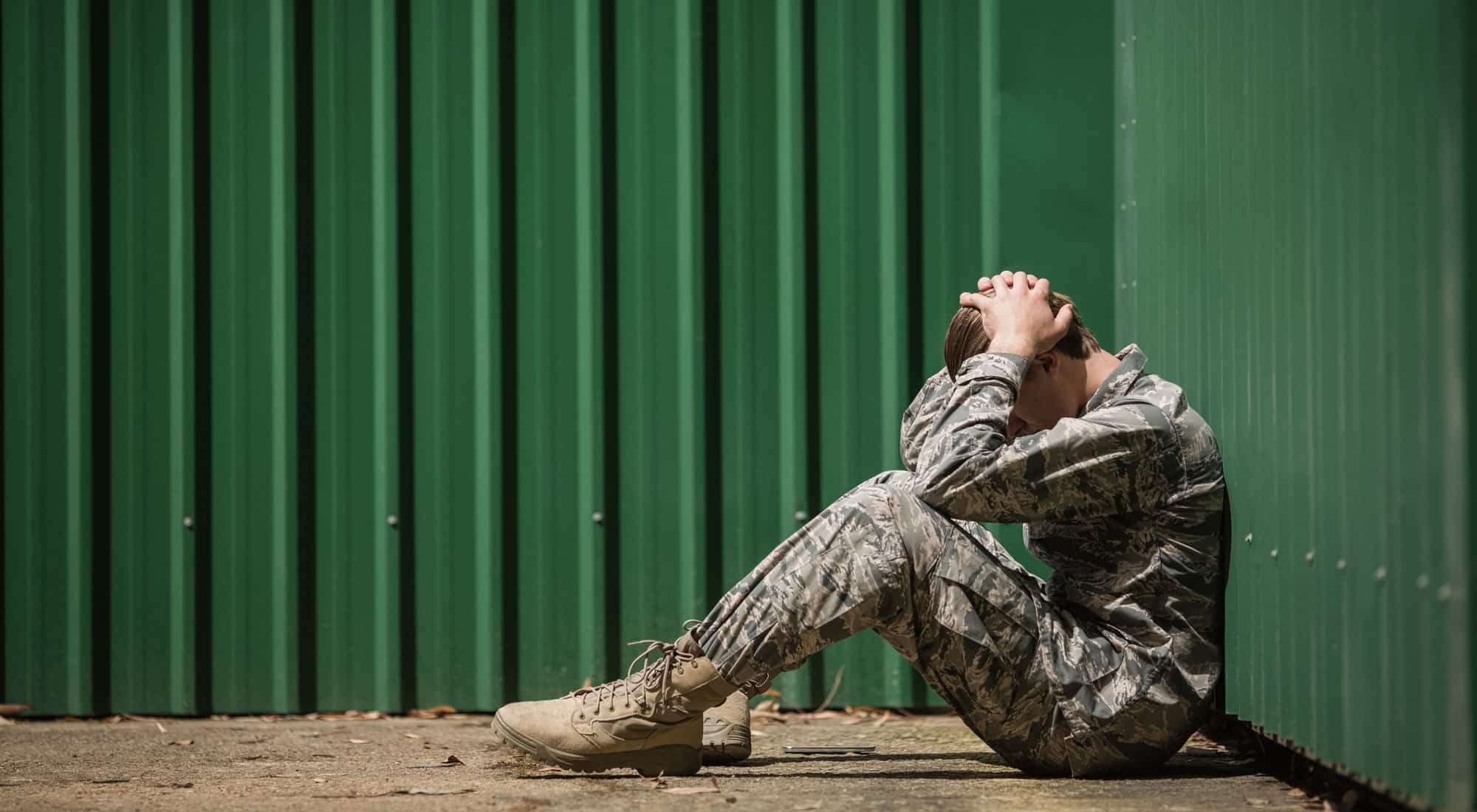
Service can leave a lasting impact long after someone comes home. Even when the shift from combat to everyday life looks smooth from the outside, the effects can still show up in sleep, stress, relationships, mood, and the ability to feel fully present.
That’s part of what makes this topic so important. The struggles tied to military trauma do not always follow one clear pattern, and they do not always get easier with time alone. For some service members and veterans, the effects can interfere with daily life, strain relationships, increase mental health risks, and make it harder to ask for help or know what kind of help is needed.
In this blog post, you’ll learn how military trauma can shape mental health over time, how it can affect life after service, what warning signs to take seriously, and what steps can support healing and long-term recovery.
What is Combat Trauma?
Combat trauma is the psychological and emotional impact of exposure to war-related events. It can develop after a single life-threatening incident, but it can also build over time through repeated exposure to danger, death, injury, and high-stress conditions.
That matters because combat trauma is not always tied to one dramatic moment. For many service members, it comes from living in survival mode for long periods, responding to constant threats, and carrying experiences the brain and body may struggle to fully process afterward.
In real life, that can include being under attack, seeing others seriously injured or killed, losing fellow service members, or having to make life-or-death decisions under pressure. Even after deployment ends, those experiences can continue to affect how someone thinks, feels, and responds to the world around them.
Combat Trauma vs. PTSD
Combat trauma is often confused with post-traumatic stress disorder, which can occur after someone goes through a traumatic event like war, assault, or disaster. While many of the symptoms are similar between the two conditions, they aren’t interchangeable terms.
To put it simply: Combat trauma is the experience of, or exposure to, intense, life-threatening events during war, while PTSD is a chronic psychiatric disorder that can develop after such traumatic events. Meaning, combat trauma is what happened, and PTSD is how it may continue to affect someone afterward.
How Combat Trauma Affects Mental Health Over Time
Combat trauma can affect mental health long after the original events are over. In some cases, the effects show up quickly. In others, they build more gradually and become easier to notice months or even years later.
One reason this can be hard to identify is that combat trauma does not always look dramatic from the outside. Internally, though, it can change the way a person processes stress, emotions, and even ordinary daily experiences. Over time, that can create a constant sense of tension, emotional shutdown, or mental exhaustion that is difficult to explain to other people.
PTSD Symptoms
Combat trauma can lead to symptoms commonly associated with PTSD, even if someone has not been formally diagnosed. These symptoms may include intrusive memories, nightmares, flashbacks, avoidance, and a heightened stress response.
In everyday life, that might look like someone getting flooded by memories they did not ask for, feeling thrown off by certain sounds or situations, or going out of their way to avoid reminders of what they experienced. They may know they are safe, but their mind and body may not fully respond that way.
Emotional Numbness or Detachment
One of the most common effects of combat trauma is emotional detachment. Some people feel disconnected from their own emotions, while others feel cut off from the people around them.
That can make it hard to feel joy, closeness, or even interest in things they used to care about. A person may seem flat, distant, or shut down, not because they do not care, but because they are overwhelmed or emotionally blunted.
Anxiety and Hypervigilance
Combat trauma can keep the nervous system in a state of high alert. When someone has spent a long time responding to real danger, the brain may continue scanning for threats even after the danger is gone.
This can show up as constant tension, restlessness, irritability, trouble relaxing, or being easily startled. For example, they may sit facing the door in public, react strongly to sudden noises, or feel unable to fully settle down, even in safe environments.
Sleep Problems
Sleep is often disrupted by combat trauma. A person may have trouble falling asleep, staying asleep, or reaching deep, restful sleep because their body still feels wired for danger.
That can look like lying awake with racing thoughts, waking up from nightmares, or feeling exhausted even after a full night in bed. Poor sleep also tends to make other symptoms worse, including anxiety, irritability, and emotional dysregulation.
Difficulty Adjusting to Civilian Life
Combat trauma can also affect how someone experiences civilian life. After living in high-pressure, high-alert conditions, everyday routines may feel strange, flat, or disconnected from the intensity they became used to.
Some people struggle to relate to others, feel misunderstood, or lose their sense of direction once they return home. They may have a hard time reconnecting with ordinary responsibilities, not because they do not want to, but because their internal world still feels shaped by combat.
Why Combat Trauma Can Increase Risk for Mental Health Struggles
The internal effects of combat trauma do not always stay internal. Over time, they often begin to shape behavior, relationships, and coping habits in ways that create new mental health challenges.
This is often where the impact becomes easier for other people to see. A person may start withdrawing, leaning on unhealthy coping tools, or having more trouble staying connected to the people and routines that once grounded them. In other words, combat trauma can move from an internal burden to an external pattern that affects daily life.
Isolation
When someone feels emotionally detached, on edge, or hard to understand, isolation can start to feel easier than connection. Pulling back may seem like a way to avoid stress, but it often leads to even less support over time.
In practice, this can look like spending more time alone, avoiding calls or plans, keeping conversations short, or shutting family members out. What begins as distance can slowly turn into loneliness, which can make depression, anxiety, and hopelessness worse.
Substance Use as a Coping Tool
Some people use alcohol or drugs to take the edge off trauma symptoms, numb difficult emotions, or get some relief from anxiety and sleep problems. The problem is that this kind of coping may feel effective in the moment while making the deeper issue worse over time.
For example, someone may start drinking to fall asleep, calm down, or stop thinking about certain experiences. As that pattern continues, substance use can become tied to survival and stress relief, which raises the risk of addiction and other mental health problems.
Relationship Strain
Combat trauma can make communication, trust, patience, and emotional availability harder to maintain. When someone feels numb, reactive, or constantly guarded, that usually affects the people closest to them.
At home, this may look like more conflict, emotional distance, irritability, or trouble talking through everyday issues. Loved ones may notice that the person who came home does not seem fully present, even if they cannot explain exactly why.
Loss of Identity or Purpose
Military life often gives people a strong sense of structure, identity, and mission. When combat trauma changes how someone sees themselves or how they function afterward, that sense of purpose can start to break down.
This can show up as feeling directionless, disconnected, or unsure of where they fit once their role changes. For some people, that loss becomes its own source of distress, especially if they no longer feel like the person they were before combat.
Risk Factors for Suicide in Military Personnel
Combat trauma can raise suicide risk on its own, but it often becomes more dangerous when it overlaps with other stressors, mental health symptoms, and access to lethal means. That is why suicide risk is usually not tied to one cause. More often, it reflects a combination of factors that build on each other over time.
Trauma-Related Mental Health Symptoms
As this post has covered, combat trauma can shape the way someone thinks, feels, and copes long after military service or deployment. When that trauma leads to PTSD symptoms, depression, emotional numbness, or severe anxiety, the risk can rise, especially if those struggles go untreated. VA materials note that PTSD is a known suicide risk factor among veterans, and the 2024 National Veteran Suicide Prevention Annual Report also highlights the role of mental health and substance use conditions in suicide risk.
Younger Enlisted Service Members
Age and rank can also matter. Recent Department of Defense reporting found that most service members who died by suicide in 2024 were enlisted males under age 30. That does not mean older service members or veterans are not at risk. It does mean younger enlisted personnel remain an especially important group to watch when other warning signs are present.
Access to Firearms and Unsafe Storage
Access to a firearm during a suicidal crisis greatly increases the risk that an attempt will be fatal. That is why safe firearm storage matters so much in suicide prevention. The VA’s 2024 report identifies firearms as the most common method in veteran suicide deaths, and DoD reporting continues to emphasize firearm safety and storage as a major prevention priority.
Isolation and Disconnection
Isolation can make existing mental health symptoms harder to manage. When someone feels cut off from support, misunderstood, or emotionally detached, hopelessness can deepen. This is one reason disconnection can be such an important warning sign, especially for service members or veterans already dealing with trauma, depression, or substance use. VA suicide prevention resources continue to frame social disconnection and related life stressors as part of the broader risk picture.
Difficulty Transitioning and Loss of Stability
For some veterans, suicide risk becomes more severe during periods of major change, such as leaving the military, losing structure, or struggling to find a sense of purpose afterward. The 2024 VA report specifically includes transition-related stress, homelessness, substance use, and other life pressures among the factors examined in veteran suicide risk. In other words, trauma is often only one part of the picture. Risk can increase when internal distress starts colliding with isolation, identity loss, and difficulty adjusting to a new stage of life.
Warning Signs Someone May Need Immediate Help
Some signs call for immediate action, especially when suicide risk may be involved. If a service member or veteran is talking about wanting to die, saying they feel like a burden, acting recklessly, or showing a sudden drop in emotional control, do not wait to see if it passes.
Warning signs may include:
- Talking about wanting to die or not wanting to be here
- Saying others would be better off without them
- Giving away belongings or getting affairs in order
- Withdrawing completely from family, friends, or daily life
- Increased alcohol or drug use
- Reckless or dangerous behavior
- Extreme mood swings or sudden agitation
- A sudden sense of calm after a period of deep distress
If you believe there is an immediate risk of self-harm, call 911 right away. If the danger is urgent but not an active emergency, call or text 988 and press 1 for the Veterans Crisis Line. Immediate support can save a life.
How to Support a Service Member or Veteran Who May Be Struggling
If there are immediate warning signs of suicide risk, the first step is crisis support. But if the situation isn’t an emergency, there are still meaningful ways to help, especially if you’ve noticed changes that suggest they’re not doing well.
Support often starts small. A steady conversation, a direct check-in, or help taking the next step can make it easier for someone to stop carrying everything alone.
Start With What You’ve Observed
It usually helps to lead with specific changes you’ve noticed instead of making broad statements about their mental health. That keeps the conversation grounded and makes it less likely to feel like criticism.
For example, you might mention that they’ve been isolating more, drinking more often, sleeping poorly, or seeming more shut down than usual. Specific patterns are harder to dismiss than vague concern.
Keep the Focus on Concern, Not Control
People tend to pull back when they feel cornered, judged, or pressured to open up before they’re ready. A calmer, more direct approach usually works better.
That might mean saying you’re worried about how they’ve been doing lately, or that they don’t seem like themselves. The goal isn’t to force a big conversation on the spot, but to make it easier for them to stay in it. This can actually be a big step, especially if talking to someone who doesn’t want help.
What that can look like:
- Choose a time when things are calm and private.
- Lead with what you’ve noticed, not what you think is wrong.
- Keep your tone steady and avoid sounding accusatory.
- Stay with the topic, even if they try to brush it off at first.
Make Room for an Honest Answer
A quick “Are you okay?” often doesn’t get you very far. If you want a real answer, it helps to ask questions that give them room to say more.
You might ask how they’ve been handling things lately, whether sleep has been harder, or whether they’ve felt more on edge than usual. That creates more space than a yes-or-no check-in.
Questions that may help:
- How have you been doing lately, really?
- Have things felt heavier than usual?
- Are you feeling more stressed or shut down than normal?
- Have you been trying to deal with more on your own lately?
Listen Without Rushing to Fix It
If they do open up, try not to jump straight into advice or reassurance. In that moment, what usually helps most is showing that you can hear them without shutting the conversation down.
That means listening all the way through, staying calm, and resisting the urge to explain their feelings away. You don’t need to solve everything in one talk. You just need to show them they don’t have to hide what’s going on.
Help Them Find Treatment
This is often the most important next step. Support from family or friends matters, but it usually isn’t enough to treat combat trauma, depression, substance use, or suicidal thoughts on its own. When someone is struggling, getting professional help can make a real difference.
That’s especially true when the treatment is built for military members and veterans. Specialized care can better address combat trauma, PTSD, depression, substance use, and the challenges that come with military culture, identity, and transition. It can also make it easier for someone to engage in treatment when they feel understood instead of having to explain the basics of their experience.
Ways to help them take that step:
- Offer to help them look into treatment options.
- Sit with them while they make the first call or fill out a form.
- Help them talk through what kind of support they may need.
- Remind them that getting help is a response to what they’ve been carrying, not a weakness.
- Follow up after the conversation so they don’t have to take the next step alone.
In many cases, finding treatment is the clearest way to move from concern to action. It gives them a chance to address what’s underneath the struggle, not only the symptoms other people can see.
Find a Path Forward at The Meadows
Combat trauma, depression, substance use, and suicide risk often overlap. When they do, getting the right help can make a real difference.
Unbroken at The Meadows™ is a specialized, evidence-based treatment program for active-duty military, veterans, and public safety professionals dealing with post-traumatic stress injuries and substance use. That focused approach matters because recovery often starts with care that understands the culture, pressure, and trauma behind the struggle.
With the right support, it’s possible to stabilize, process trauma, and move toward lasting recovery. Contact The Meadows to learn more about treatment options for yourself or someone you love.