

“`html
It’s 3 PM, and you’ve probably been at your desk for the entire day or most of it. Maybe you even skipped lunch, multitasking with a sandwich in one hand and your keyboard in the other. If you take a moment to check in with your body, you might notice your eyes are tired, and your neck and shoulders feel tense and painful. Overwhelmed with work and deadlines, can you maintain your focus and calm your racing thoughts, or do you find it hard to stay on track?
What about after your workday ends? You might crawl into bed feeling drained but still struggle to fall asleep. When you’re not at the office, how often do you remember to disconnect and spend time outdoors, away from screens?
These experiences are common signs of what we refer to as screen-related stress, digital fatigue, and burnout, which are widespread in today’s workplace.
The positive news is that you don’t have to continue living like this. We can adopt a more mindful approach to our work: by optimizing our computer setups, learning quick techniques to relieve stress, taking breaks in nature to recharge, and developing healthier technology habits.
By prioritizing Digital Wellness, we can cultivate healthier work environments, treat our bodies and minds with more kindness, and participate in activities that truly rejuvenate us and help prevent burnout outside of work hours.
Our Digital Wellness Best Practices: 4 Simple Tips
I’ve had the privilege of collaborating with Dr. Michael Rich, Director of Harvard University’s Digital Wellness Lab, to create these research-backed strategies for enhanced digital wellness. Dr. Rich contributed to our book Less Screen More Green, and we were honored to have the late Dr. Jane Goodall write the foreword.
It’s evident that today’s digital workplace is not tailored to support our wellbeing, as many of us have likely experienced firsthand. We need to be proactive about enhancing our wellbeing more than ever. Here are four vital areas to concentrate on.
1. Evaluate Your Workstation Ergonomics
The arrangement of your workstation greatly affects your comfort and productivity. Pamela Dempster, a Certified Professional Ergonomist and collaborator in our programs, warns that “Laptops can pose health risks as they encourage more neck bending, which should be avoided for long periods. Additionally, poorly designed workstations and the modern trend of ‘hot desking’—where desks are frequently rotated—can significantly heighten workplace stress.” Let’s explore how to set up a workstation that minimizes stress and promotes your skeletal, muscular, nervous-system, and eye health.
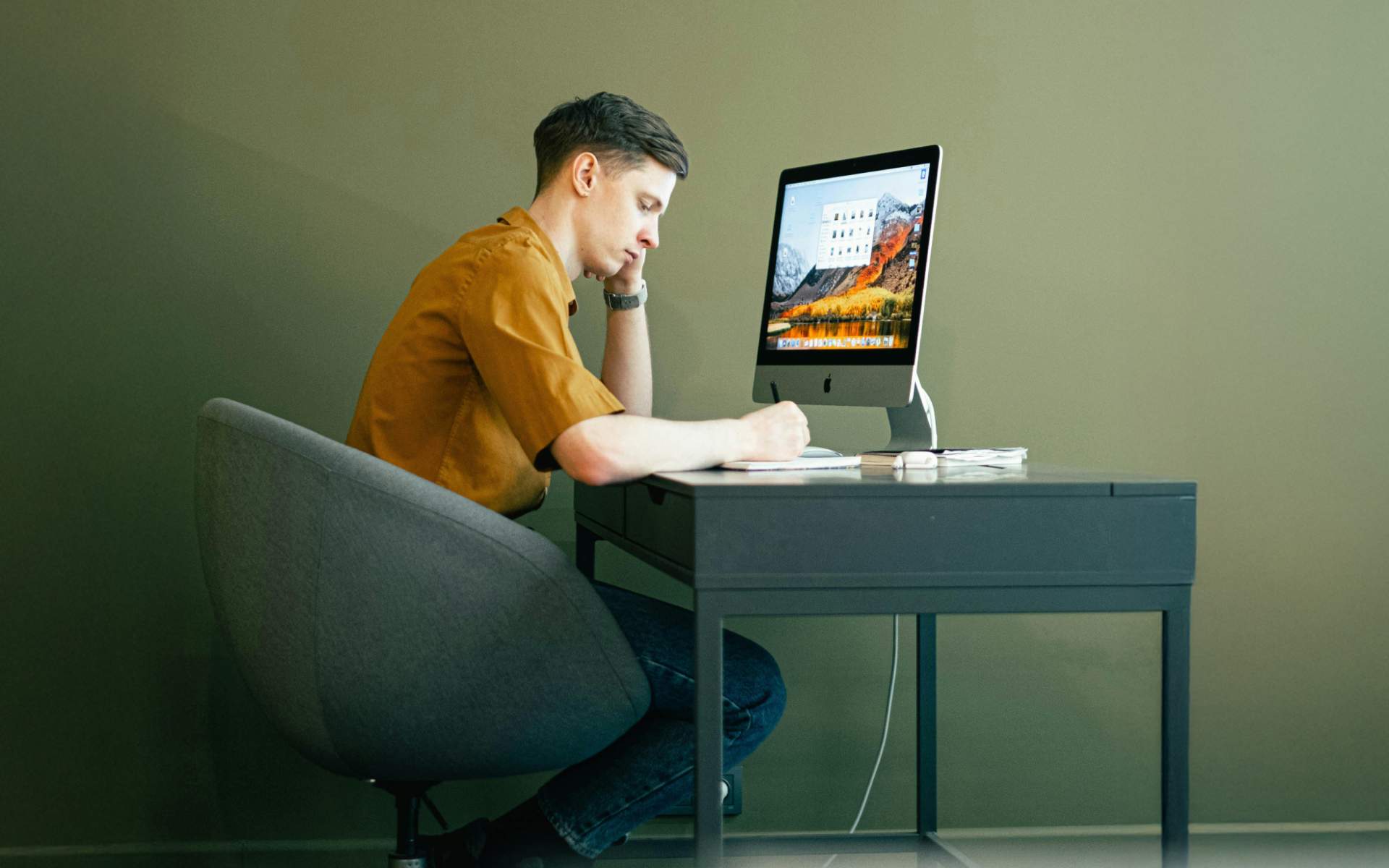
Start with a supportive chair that has lumbar support and armrests. Padded armrests are crucial for the health of your upper body. Position your screen at an arm’s length, at eye level so you’re looking straight into the upper part of the screen, avoiding straining your neck by looking down. Monitors at eye height encourage neutral head and neck positioning, which is better for our eyesight and helps us focus more effectively.
As you may know, prolonged exposure to blue light from screens and poor tech habits can increase stress and fatigue. They drain both physical and mental energy, contributing to burnout. To enhance eye health, consider investing in blue-light filtering glasses, keep lubricating eye drops at your desk, and don’t forget to blink (yes, we often overlook blinking when glued to screens!).
2. Incorporate Regular Deskercises
Maintaining movement throughout the day, even while seated at your desk, is essential. This helps prevent muscle strain and repetitive injuries like “Tech Neck.” Gentle movement practices like Chi Gong and focused techniques such as mindfulness meditation and breathing exercises (yes, we can “forget” to breathe as well) help relax our bodies and sharpen our minds. This not only boosts productivity at work but also enhances sleep quality at night.
Frequently turn away from your screen to give your eyes a break and take deep breaths to relax and recharge. One simple deskercise is called the 20-20-20: Set a timer and every 20 minutes, look away from your screen—preferably out a window—at something at least 20 feet away for at least 20 seconds while doing some deep breathing.
One of our Digital Wellness participants shared that since joining the Mindful Tech program, she’s rearranged her desk and computer setup, alleviating tension in her neck and lower back. She’s also made it a habit to take regular breaks to practice the 20-20-20 technique and stretch. “It’s enhanced how I feel about my screen time at work, and it’s non-negotiable,” she remarked.
3. The Nature Remedy: A Daily Dose of Nearby Nature
In our technology-driven, noisy, and chaotic world, it’s easy to forget that “nature” is not limited to distant forests. It’s not separate from us; we are part of nature! (Although our treatment of the environment may suggest otherwise.) Being in a forest, a local park, a patch of grass, or even pausing to take a few deep breaths of fresh air allows us to reconnect with our true selves.
This intentional practice is called The Nature Remedy and is foundational to our workplace wellness program.
Research from experts like Dr. Qing Li, Scientific Advisor for The Forest Bathing Institute, highlights the benefits of mindfulness in nature for various physical and mental health challenges, including hypertension, anxiety, depression, empathy fatigue, and burnout. The Japanese practice of Shinrin Yoku (Forest Bathing) is becoming a key strategy for workplace wellness and is embraced by many health professionals.
Co-author Dr. Rich advocates for nature’s healing properties as essential for workplace wellbeing and was amazed by his experience with Shinrin Yoku: “At a recent conference in Aspen, I experienced Forest Bathing for the first time. At first glance, it might seem that nothing is progressing; we were simply under the trees, tuning into our senses. Yet it’s profound as we paused, slowed down, and listened to nature. Many in this digital age are so accustomed to constant stimulation that it takes time for them to relax into the tranquility essential for their mental health. Slowing down and engaging with nature, without our phones, is genuinely beneficial for everyone.”
Dr. Rich explains that this shift from speedy, distracted thinking has a powerful effect on resetting our nervous system. It allows us to transition from the stress-oriented sympathetic mode to the relaxation-focused parasympathetic mode. The mental health results resemble the mental clarity achieved through meditation as you connect with an inner calm often overshadowed by the chaos of urban life.
Remember, it’s crucial to engage in this screen-free. Devices disrupt our connection with our surroundings and ourselves, hindering our ability to settle into tranquility.
We’ve discovered that this deliberate reconnection with nature resonates deeply, even with those whose jobs demand entire days spent on screens.
“““html
One IT professional shared their experience after participating in our Digital Wellness program and implementing our Nearby Nature tip: “Instead of complaining about not having time for a long hike, I now take regular breaks. I simply walk around the block without checking my phone or listening to music. This is a major shift for me! I’m really enjoying it—it’s more addictive than my caffeine habit. Our boss appreciates that we’re taking fewer sick days. It also serves as a good reminder to practice my mindfulness activities outdoors whenever possible, without the distraction of my phone.”
4. Strategies for Better Sleep
The quality and amount of sleep we get greatly affects our mental, emotional, and physical health. Sleep is essential for a strong immune system, processing thoughts and emotions, body repair, and balancing our nervous system. However, we often overlook the connection between our screen time, digital exhaustion, burnout, and our capacity to achieve restful sleep.
One of the most effective steps you can take is to disconnect at least one hour before going to bed. Turn off your phone and consider using a battery-powered alarm clock instead. Research indicates that wireless radiation can disrupt sleep, so creating a tech-free environment by turning off your WiFi can enhance your sleep quality. Avoid caffeine in the late afternoon and evening, and think about trying natural supplements like calcium, magnesium, and low-dose melatonin. If you find it hard to sleep, stressing about it can make it worse. Instead, practicing sleep meditations or deep breathing techniques can help you relax and fall into a deep slumber.
Reclaiming Our Right to Wellbeing at Work
Inertia can be quite peculiar. It’s easy to believe that because most workplaces inherently support unhealthy daily habits, this is simply how it must be. In reality, it doesn’t have to be this way at all. We can take back our right to wellbeing in the workplace.
There are encouraging signs that change is on the horizon: Many businesses and organizations are starting to recognize the importance of employee wellness in creating functional workplaces.
If you feel motivated to improve your own wellness, we encourage you to implement these practices and explore the resources we provide.
For more information about our program, visit: www.DigitalWellnessPrograms.com
Check out our book at: www.LessScreenMoreGreen.org
Learn about our nonprofit at: www.GlobalHealthAlliance.ca
More from Pamela Dempster and insights on maintaining healthy ergonomics: www.DempsterWellness.com
Information about The Forest Bathing Institute can be found at: www.tfb.institute
“`