

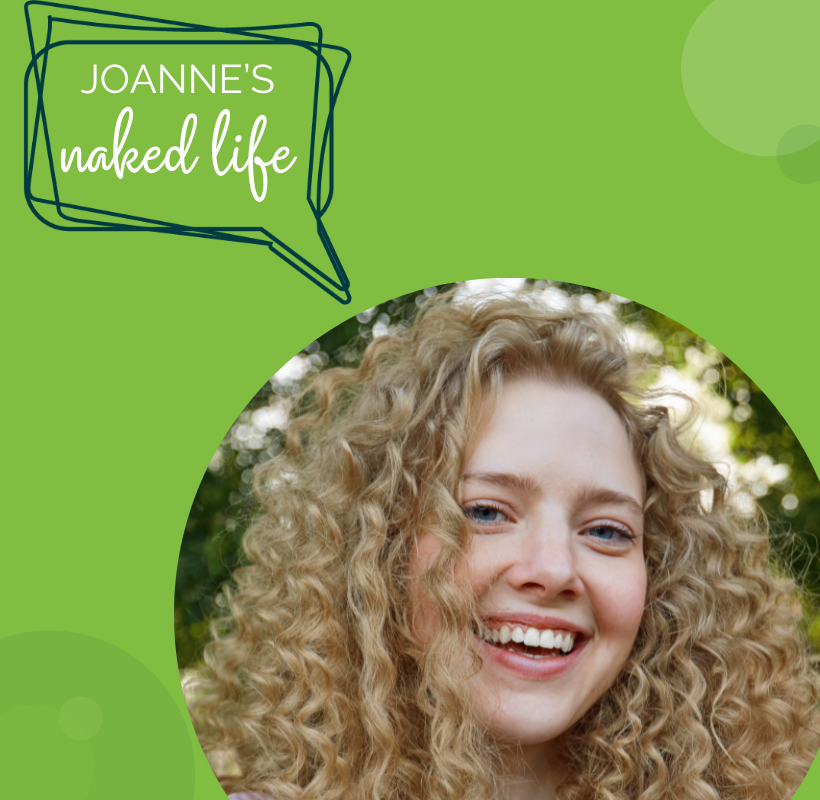
Have you ever caught yourself using wine to deal with parenting and wondered when a harmless glass turned into the only way you knew how to cope? Joanne knows that moment well. From a childhood where alcohol was sprinkled over ice cream and mixed into family life, to teenage house parties, hungover exams, and long nights behind the bar, wine became the background music of her world. But it wasn’t until she found herself pouring more and more each evening to escape the chaos of young children and endless demands that she realised something had to change.
Growing Up Where Alcohol Felt Completely Normal
I grew up in a home where alcohol was everywhere and nobody thought twice about it. I was given crème de cassis on my ice cream from about five years old. By ten, I was the one preparing gin and tonics for my parents, carefully dropping in the ice and lime like it was just another chore.
To me, drinking was simply part of life. Every adult I knew had a drink in their hand at parties, at family gatherings, even on a random Tuesday night. I absorbed the idea that alcohol was how you relaxed, celebrated, unwound, and connected with other people. It wasn’t framed as dangerous or something to be cautious of. It was normal, fun, and expected.
So, as I became a teenager, I didn’t question it. I just followed the script I’d been handed. Of course, I was going to drink regularly. Of course, every occasion needed a drink to be enjoyed. In a world that later would be called “mommy wine culture”, I was being trained early to believe alcohol was the treat you earned for getting through life.
I had no idea that these early beliefs would echo through my adulthood—especially when I became a mum and started using wine to patch over emotions I didn’t know how to handle.
From House Parties to Hungover Exams
By the time I was 15, alcohol wasn’t just in the background of my life—it was centre stage. I still remember throwing a mad house party while my parents were away. We trashed the house, laughed it off, and pretended the chaos was hilarious. The next morning, though, I woke up feeling absolutely destroyed.
I had my first Taekwondo competition that day. I dragged myself there, still nauseous and shaky. I tried to perform, but my body simply wouldn’t cooperate. I struggled through the day, competing badly and feeling like a complete fraud. It was the first time I really saw how much alcohol could sabotage something that mattered to me.
But I didn’t learn the lesson straightaway. At 17, I repeated my maths GCSE exam. I went into the exam hall extremely hungover—if I’m honest, I might still have been drunk. The paper was full of easy questions, but my brain was foggy and jumbled. I couldn’t focus, couldn’t think clearly, and I ended up leaving early. Once again, I didn’t get a high enough mark to pass.
If you’ve ever dragged yourself through school, work, or parenting after a heavy night, you’ll know that sinking feeling: the sense that you’re capable of so much more, but alcohol keeps pulling you down. Those two memories—my Taekwondo competition and that exam—were early warning signs. I just didn’t know how to listen yet.
Working in Bars and Drinking at Home
As a teenager and young adult, the one thing that slowed me down was exercise. I loved staying active and throwing myself into hobbies, and I had one rule: I would never drink before exercise. It helped, for a while. It gave me some structure, a reason not to go all-in every single night.
But then I started working in the bar industry. Alcohol was suddenly everywhere, every day of the week. Drinking wasn’t just accepted—it was part of the culture. Having a drink after (or during) a shift felt like a perk of the job, a way to bond with colleagues and shrug off the stress.

As I got older, I told myself I was being sensible. I’d say I was “limiting” alcohol to weekends or social occasions, but that was never entirely true. I always drank at home and I often drank alone. I decided that half a bottle of wine was my limit, and I clung to that rule as proof that I was in control. Sometimes, though, that “limit” was on top of spirits or beers. If I’m honest, the maths never really added up.
Looking back, I can see how I was slowly building a pattern that would later slide straight into using wine to deal with parenting. I was practising the habit of reaching for a drink whenever I felt tired, overwhelmed, or in need of comfort—even before I had children of my own.
Using Wine to Deal with Parenting Stress
Everything shifted when I became a mum. Parenting brought me so much love—but it also brought emotions I had never learned how to manage. Exhaustion, worry, overwhelm, guilt, sensory overload, the constant demands of little people needing me all the time. Suddenly, my old “treat” at the end of the day started to feel like a lifeline.
Before I knew it, I was using wine to deal with parenting in a way that felt less like a choice and more like survival. The day would end, the kids would finally be in bed, and I’d hear that whisper in my mind: You deserve this. Just one glass. You’ve earned it.

Then life got even more stressful. In 2024, we relocated, and everything felt unstable. There was so much change happening at once. I did Dry January that year and expected to feel amazing, but I didn’t feel much better at all. I think I had Covid, so I just felt rotten the whole month. I still went out and enjoyed mocktails, which showed me I could have fun without alcohol, but once January was over, my drinking came right back.
By September, I noticed my nightly wine had quietly crept up. That neat “half a bottle” had become three quarters. I was struggling with my young children, and I was using wine to deal with parenting meltdowns, my own emotional overload, and the relentless pressure of being needed all the time. I was drinking to escape the chaos in my home and the chaos in my head.
There was a part of me that knew this wasn’t okay. I could feel that worry in the pit of my stomach—the fear that I was becoming that hungover mum I had promised I’d never be.
Finding This Naked Mind and Rewiring My Beliefs
I came across This Naked Mind in a sober Facebook group. Someone mentioned it in a comment and it caught my eye. I bought the book, telling myself it would just be “interesting reading,” nothing more. I honestly did not believe it would actually stop me drinking.
So I started reading it while I was still pouring my nightly wine. At first, I felt defensive. Surely my drinking wasn’t that bad. But as I kept reading, something started to shift. The book didn’t lecture me or shame me. It simply laid out how alcohol really works in the brain and body, and it gently challenged all the stories I’d been telling myself: that I needed alcohol to have fun, to relax, to cope, to be social, to be confident.
It felt a bit like someone had turned on the lights in a room I didn’t even know I was sitting in. I realised my beliefs about alcohol weren’t facts—they were conditioning. They came from my childhood, from working in bars, from the world of mommy wine culture, and all those messages that said “wine is self-care” for mums.
I also realised I didn’t want my children to grow up thinking that drunken or hungover mummy was normal. I wanted more for them. I wanted more for me. Reading about other women ditching mummy wine culture and hearing stories like Maryanne’s Naked Life story showed me I wasn’t alone. If they could do it, maybe I could too.
Before I even finished the book, something incredible happened: I stopped drinking. There was no big white-knuckle battle. It was more like the desire just… left. I knew in my gut that I’d never drink again.
Free Download: First Chapter of This Naked Mind
If any of this sounds familiar—the quiet increase in how much you’re drinking, the way using wine to deal with parenting has become automatic—I want you to know there is another way. For me, the turning point came when I found This Naked Mind and started to question everything I believed about alcohol.
If you’re feeling curious, or even just a bit scared that you can’t keep going like this, I highly recommend downloading the first chapter of This Naked Mind for free from the This Naked Mind website and seeing what lands for you. The way the book gently unpacks your beliefs and rewires your unconscious mind can be a game changer, even if you’re still drinking while you read it.
Life After Wine: Becoming the Mum I Want to Be
Life without alcohol has been less about losing something and more about gaining myself. For the first time in my adult life, I’m building a relationship with myself that isn’t filtered through a glass of wine.
I’m learning how to sit with emotions instead of numbing them—how to feel overwhelmed, angry, sad, or exhausted without automatically reaching for a drink. I’m rediscovering the things I genuinely enjoy, not just the things that revolve around drinking. I still love going to the pub, but now I’ll order a tasty soft drink and enjoy the atmosphere rather than chasing that tipsy feeling.
Some people choose to avoid pubs altogether, and I completely respect that. For me, they’ve been part of my life for so long that I don’t want to cut them out. Maybe that will change as I spend more time around very drunk people and remember how annoying and disconnected that can feel. For now, it’s about feeling truly present in my own choices.
The biggest change, though, is how I show up as a mum. I’m no longer using wine to deal with parenting struggles or hiding behind the idea that “everyone drinks like this.” I’m investing in tools and support to help me become a better parent, and I’m giving my children the gift of a mum who is there—fully there—for bedtime stories, school events, and lazy Sunday mornings.

What I’d Tell My Younger Self
If I could go back and talk to my teenage self, I’d tell her she doesn’t need a drink to be fun, popular, or confident. The friends and boys who are truly worth it will stick around whether she drinks or not. I’d tell her about all the extra money she’d have, the peace she’d feel, the things she could achieve if she wasn’t constantly drunk, hungover, or recovering from the night before.
Most of all, I’d tell her that using wine to deal with parenting in the future isn’t inevitable. It’s not her destiny. It’s just one story the world tells women—and it’s a story she can choose to rewrite.
Today, I’m excited about the example I’m setting for my children. I want them to see that life can be fun, joyful, and meaningful without alcohol. I want them to know that they never have to drink to fit in or to cope. And if my journey from “ultimate party girl” to alcohol-free mum gives someone else the courage to question their own relationship with drinking, then every step has been worth it.
If you’re reading this and recognising yourself—those silent promises to cut back, the creeping reliance on wine to get through the evening—please know you’re not broken or weak. You’re simply human, living in a culture that has normalised alcohol at every turn. But there is another way. And if I can find it, you can too.
Share Your Story
Did you stop using wine to deal with parenting through our books, the app, the podcasts, or another program at This Naked Mind? Please share your story here and inspire others on their journey!
Copyright © 2025 This Naked Mind. This material is original content and is protected by international copyright laws. Unauthorized reproduction or distribution of this content will be met with legal action.